
Herbs
Chasteberry (Vitex Agnus-Castus) | Organic
Tax included. Shipping and any applicable taxes calculated at checkout.
Ships in 2 business days
Also known as “Chaste Tree”, “Abraham’s balm” and “Monk’s Pepper”, the chesteberry tree is a deciduous shrub native to the Mediterranean and African regions.
About this product
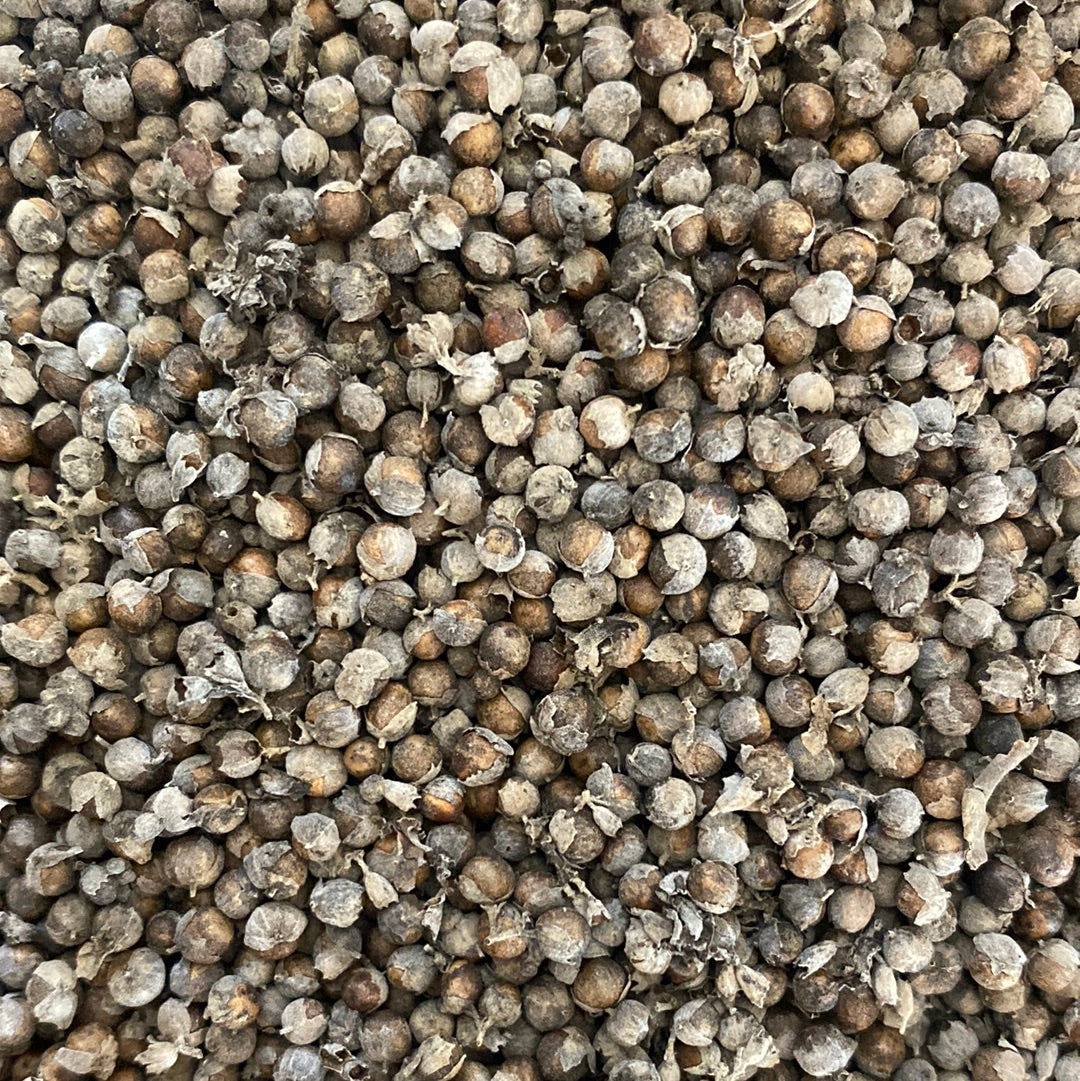
Also known as “Chaste Tree”, “Abraham’s balm” and “Monk’s Pepper”, the chesteberry tree is a deciduous shrub native to the Mediterranean and African regions. It produces small but medicinally potent brown berries about the size of a peppercorn known as chasteberry or vitex.
It was used in folk medicine to treat headaches, colds, migraines, eye problems, female hormone abnormalities, asthma, chronic bronchitis, and gastrointestinal diseases including diarrhea and bacterial dysentery.
Vitex was thought to be an anaphrodisiac (the opposite of an aphrodisiac), or something that decreases the desire. It's no surprise that chasteberry gained its name from its ability to suppress sexual desire. Chasteberry was used for similar reasons by monks in the Middle Ages, giving rise to the widespread name "monk's pepper."
Vitex is now widely used as a natural treatment for premenstrual syndrome (PMS) and hormonal balance. And while it’s extremely beneficial for women, it’s also useful for men. For instance, it’s been shown to relieve PMS symptoms, improve female fertility, clear up hormonally induced acne, remedy amenorrhea, and possibly promote lactation, lower menopausal symptoms. Chasteberry is not a hormone, but rather a plant that aids the body in producing its own progesterone.
Recommended Dosage
1-3 teaspoons of loose tea (or 3g up to 3 times) daily. If more than one herbal mixture is consumed at the same period of time, reduce the amount of tea accordingly.
When herbs are used for a long period of time, it is suggested to consume a herbal remedy with a ratio of 3 to 1. For example, if you choose to take it for 3 weeks, have a one-week pause, if it is taken for a 30-day period, have a 10-day pause, etc. That does not apply to herbs and fruits that have a laxative effect.
Recommended Dosage
◉ 1-3 teaspoons of loose tea (or 3g up to 3 times) daily. If more than one herbal mixture is consumed at the same period of time, reduce the amount of tea accordingly.
◉ When herbs are used for an extended period of time, it is suggested to consume a herbal remedy with a ratio of 3 to 1. For example:
- If you choose to take it for 3 weeks, have a one-week pause.
- If it is taken for a 30-day period, have a 10-day pause.
That does not apply to herbs and fruits that have a laxative effect.
Notes
◉ Should be stored in airtight glass containers -in a cool, dark, and dry place- to preserve the flavor, texture, and properties.
◉ Before adding a new herbal remedy or supplement to your daily routine, you should consult with a medical doctor or holistic health practitioner.
Herbal Tea Brewing Instructions
- Heat the water to just the point when it starts to boil.
- Add 1 teaspoon of loose tea, to a tea infuser or tea bag, for every 180ml - 240ml of water.
- Pour the heated water (right off the boil) over the tea, cover your cup, and steep for 7-10 minutes or longer.
- Add honey or stevia for sweetness, if desired.
Follow these additional steps to make the perfect cup of tea!
Shipping & returns
Ships from Listaros, Crete within 2 business days. Worldwide post via ELTA, DHL and FedEx; Geniki and ACS within Greece.
For returns, see our refund policy.